
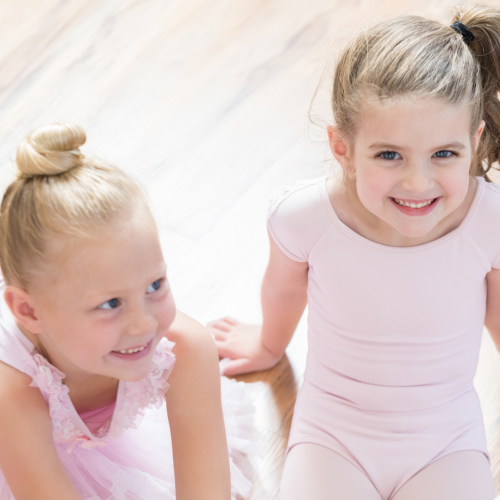
Our policy for parent observation is that we kindly ask parents to observe from outside the dance room. In fact, most of the cities we teach classes in require and/or support this policy. We understand the excitement you have to see your child experiencing something for the first time or progress throughout the session! Fortunately most of our class locations have ways to observe your dancer without being in the studio with them. Additionally, we always have a last day of class performance where parents are invited in to watch a brief showcase of what we’ve learned in the session. However, what about those dancers who are having a harder time being away from mom or dad and participating in class by themselves? Why is it best for mom or dad to let their dancer experience class without them present in the room?
In our experience, we have found that when parents are in the room with their child it does not benefit the individual child or class as a whole. Children more easily lose focus and it can be more difficult for the instructor to maintain control/safety of the class. There are many benefits for children participating in a peer, group class without parents present but here are a few of our favorite reasons.
1. Improved confidence & independence
We notice separation anxiety with many of our young dancers but tend to see them gain independence and confidence participating in class as the weeks progress. Remember, this may be a brand new experience for your child – new setting, new teacher, new friends, new activity…lots of NEW! If your child struggles on the first day, we highly recommend sticking it out for a few more weeks. Usually, by the third or fourth week of class, we see children settle into the routine of class, enjoying the experience, and having very few or no problems moving forward.
2. Ability to follow instructions from another adult
Participating in a group class gives children the opportunity to practice listening to and following directions from an adult other than their parents. This skill is crucial as they prepare for school and other social settings. Learning to respect peers and trusted adults, follow multi-step instructions, and respond appropriately to guidance helps build discipline and focus, which are valuable traits both in and out of the dance studio.
3. Peer conflict resolution
Group classes naturally encourage children to interact, share, and cooperate with one another. Along the way, they may encounter small conflicts—disagreements over space, turns, or props—which provide opportunities to learn important social skills. With gentle guidance from their teacher, children can practice resolving conflicts, expressing their feelings, and finding compromises, fostering emotional growth and teamwork.
4. It makes other students feel more comfortable participating
When parents are present, some children may feel shy or self-conscious, which can prevent them from fully engaging in class activities. A parent-free environment helps create a level playing field where all students feel equally comfortable expressing themselves, trying new movements, and participating without fear of judgment. This supportive atmosphere encourages creativity, exploration, and bonding with peers.
5. Teachers don’t teach to the maximum capacity while being watched by parents
Instructors often feel added pressure when teaching in front of an audience, which can affect their ability to fully connect with the students and deliver the most effective lesson. Without parents in the room, teachers are free to focus entirely on the children, adapting their approach as needed and maintaining a lively, engaging environment where students can thrive.
6. It’s less distracting
Having parents in the room can create distractions for both the children and the instructor. Children may be tempted to seek reassurance or attention from their parents, interrupting the flow of the class. Removing this distraction allows students to direct their focus toward the teacher and their peers, promoting better concentration and smoother transitions between activities.
7. You keep the element of surprise!
One of the most exciting aspects of dance class is watching your child showcase what they’ve learned. Without parents observing each class, children can take pride in surprising their families with their progress during special performances or showcases. This builds excitement and motivation as children work hard to master their routines and impress their loved ones.
How to prep your dancer to participate in class without a parent in the room:
We strongly encourage preparing your dancer ahead of time to let them know they will need to go into class by themselves but you will be nearby so there is no need to be scared. The sooner you can start prepping your dancer the better – ideally a couple of weeks leading up to class! It can also be helpful to remind them on the drive to dance class. Another way to help prep your dancer is encouraging them to do tasks at home without help from mom or dad. These small steps of independence can help make your dancer more confident doing things on their own! However, if your dancer needs you at any time during class, your instructor can send them out to the hall for a quick hug before coming back into class.
We hope this information helps your dancer thrive in class with us! Should you have any additional concerns after reading this post, please don’t hesitate to reach out to our office.