
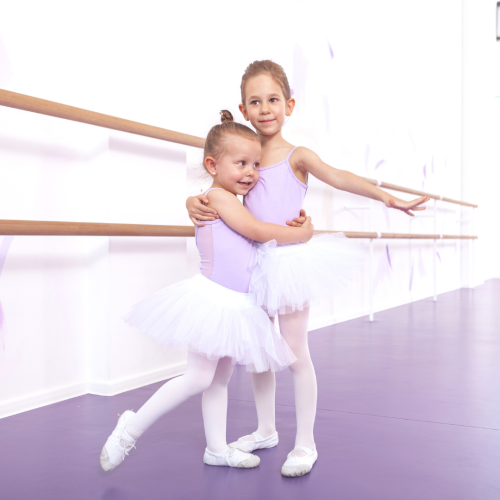
What Are The Benefits of Dance For Children?
Incorporating dance into a child’s routine can provide a fun and engaging way to promote overall development. It offers countless positive impacts, whether for fitness, fun, or creativity.
We might be biased, but we think dance is one of the best activities to expose to your children. When there are so many options to choose from, why lean into dance classes? For those parents new to the dance world or just curious how it benefits children, dance offers numerous benefits for children, both physically and mentally. Here are some key advantages:
Physical Health
Dance helps children develop muscle strength, flexibility, and body control, and enhances their overall motor skills. Regular dancing boosts heart health, endurance, and improves balance and posture which aids in good body alignment as young children grow. Lastly, dance at a young age improves fine and gross motor skills.
Cognitive Development
Remembering dance steps, sequences, and rhythms strengthens memory and concentration. Creativity in the arts encourages creative expression, allowing children to explore emotions and ideas through movement. Even at an early age, the choreography in dance evokes problem-solving skills such as memorization, sequencing, coordination, and critical thinking.
Social Skills
Group dance classes or performances teach children how to work together, share, support their peers, and introduce children to working in a “team” environment. One of our favorite parts of dance is always recital and that opportunity to showcase what we have learned on stage for our loved ones. Recitals and performing in front of others build self-esteem by mastering dance skills and performing in front of others. This simple two-minute dance boosts confidence in children and creates a sense of pride in their achievements.
Emotional Benefits
Dance provides an outlet for healthily expressing emotions and individuality, especially for children who may have difficulty articulating their feelings. Dance therapy is even used to treat anxiety at times through movement to music which can be therapeutic, release tension, and promote relaxation. The art of dance also incorporates discipline and focus as dancers graduate to more difficult techniques and combinations. This teaches focus, perseverance, time management,t and the importance of practice.
Cultural Awareness
There are so many forms of dance (e.g., ballet, hip-hop, cultural dances), originating from various cultures and countries which help introduce children to different cultural traditions and histories. This exposure to genres within this art form cultivates an appreciation for music and aids in the understanding of rhythm, timing, musicality, and overall appreciation of music.
Social Interaction
Social interaction for our youngest dancers is a huge part of class in the age 2-5 bracket. Dance classes provide opportunities to meet new people and build lasting friendships with others who share similar interests. In class we learn respect for others and their personal space, how to take direction from an instructor, and work in harmony with classmates for a common goal.
As teachers, parents, and lovers of the arts, we always encourage parents to expose their children to a multitude of activities to see what really inspires their children. Dance offers so much more than a beautiful costume and ballet barre. If you ever need a recommendation for classes, levels, or genre for your child, always feel free to contact our office. Our goal is to find a great fit for each child and grow a love for the arts in their life.
See you in class!
~SoCa Arts Family